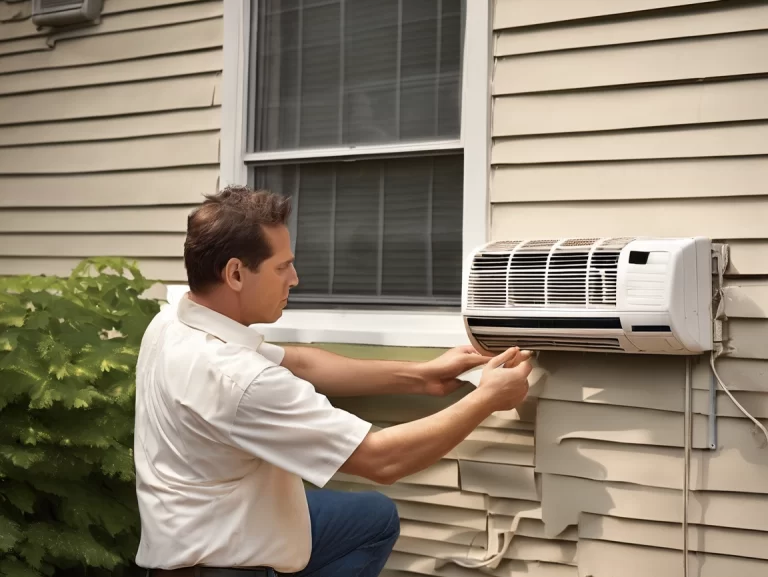
Imagine it’s the hottest day of the year, you’re ready to relax indoors, but… your AC isn’t working. Instant mood killer, right? Don’t worry—it happens to the best of us, and the good news is that fixing your air conditioner might be easier than it seems. Whether it’s blowing warm air, making weird noises, or not turning on at all, understanding the basics can save you time, money, and sweaty afternoons. In this simple guide, we’ll break down common AC issues, show you easy troubleshooting steps, and help you know when it’s time to call the pros. It’s like DIY with a safety net—let’s dive in!
What are the common signs that my air conditioner needs repairs?
When your air conditioner starts showing signs of trouble, it's usually trying to tell you it needs attention. Here are some of the most common signs that your AC might need repairs:
-
Weak or No Airflow: If you turn on your AC and barely feel any air coming out of the vents, something could be blocking the airflow. This might be due to clogged filters, a broken fan motor, or problems with the ductwork. Weak airflow means your AC isn’t working efficiently.
-
Warm Air Instead of Cool: One of the biggest red flags is when your AC blows warm air instead of chilled air. This could mean your refrigerant levels are low, there’s a problem with the compressor, or an electrical issue is preventing proper cooling.
-
Strange Noises: Air conditioners usually create a steady humming noise when they’re working. If you suddenly hear rattling, banging, hissing, or squealing sounds, it’s not normal. These noises could mean loose parts, a motor problem, or a refrigerant leak.
-
Bad Smells: If you notice a musty or burning smell coming from your AC, it could be due to mold in the unit (musty smell) or damaged wiring (burning smell). Both require immediate attention.
-
High Energy Bills: If your electricity bill suddenly spikes without an obvious reason, it might mean your AC is working too hard due to an internal issue like a dirty coil or malfunctioning part.
-
Frequent Cycling: Your AC should turn on, run until it cools the room, and then shut off. If it’s cycling on and off too frequently, it could mean something’s wrong with the thermostat, or the system is overheating.
Taking action at the first sign of a problem is crucial. Ignoring small issues can lead to bigger, more expensive repairs later. If you see any of these signs, contact a technician soon!
How can I troubleshoot basic AC problems at home before calling a professional?
If your air conditioner isn’t working right, here are a few simple troubleshooting steps you can try at home before deciding to call a technician.
-
Check the Thermostat: Make sure it’s set to "cool" mode and not "fan" or "heat." Also, check the temperature setting—sometimes someone might accidentally set it to the wrong temperature.
-
Inspect the Circuit Breaker: If your AC isn’t turning on at all, it might be because the circuit breaker has tripped. Find your home’s breaker panel and make sure the switch for the AC is in the “on” position.
-
Replace or Clean Filters: Dirty filters are one of the biggest causes of AC problems. A clogged filter blocks airflow, which reduces the AC’s efficiency. Remove the filter, clean it, or replace it if it’s disposable. You should do this every 1-3 months for the best results.
-
Check the Air Vents: Make sure all your vents are open and not blocked by furniture, curtains, or dust. Blocked vents stop cool air from distributing through your home, making it feel like the AC isn’t working properly.
-
Clean Around the Outdoor Unit: Debris like leaves, dirt, and grass around the outdoor condenser unit can block airflow. Turn off your AC, and then carefully remove any debris around the unit to allow it to “breathe.”
-
Inspect for Ice on Coils: If you see ice forming on your AC’s coils (usually where the refrigerant flows), it means there's poor airflow or a refrigerant issue. Turn off the AC and let it thaw out before trying it again. If ice reappears quickly, you’ll likely need a technician.
-
Test the Batteries in the Thermostat: If you’re using a thermostat that runs on batteries, dead batteries could prevent it from working. Replace the batteries to see if that fixes the issue.
If these steps don’t solve the problem or you’re not comfortable doing them yourself, it’s best to contact a professional. But these basic checks can sometimes save you time and money!
What are the typical causes of an AC not cooling properly?
When your AC isn’t cooling properly, there are several potential reasons why. Let’s break them down:
-
Dirty or Clogged Air Filters: If your filter is full of dust and debris, it restricts airflow. This not only prevents your home from cooling efficiently but can also cause strain on the system. Replacing or cleaning the filter can often solve this problem.
-
Refrigerant Issues: Refrigerant is the chemical that cools the air in your AC. If there’s not enough refrigerant due to a leak, the unit won’t be able to cool your home effectively. Refrigerant issues need to be handled by a professional.
-
Thermostat Problems: Sometimes, the thermostat might not be working correctly. It could be set to the wrong settings, or it might not be accurately reading the temperature in your home, causing improper cooling.
-
Blocked or Dirty Condenser Unit: The outdoor part of your AC system, called the condenser, can get clogged with dirt, leaves, or debris. If this prevents proper airflow, the AC won’t cool the air efficiently. Cleaning the unit regularly helps prevent this problem.
-
Leaky Ductwork: If the ducts carrying cooled air have leaks or gaps, the cool air escapes before it reaches your rooms. This means your AC is working hard, but your home stays warmer.
-
Compressor Problems: The compressor is the part of the AC system that helps pump refrigerant through the system. If it’s broken or not working properly, your AC won’t cool the air.
-
Oversized or Undersized Unit: If your AC is too small for your space, it’ll struggle to cool your home. If it’s too large, it will cycle on and off frequently without properly cooling the air. Either case can lead to inefficient cooling.
To fix the problem, you should first check the simple things like filters and the thermostat. If those don’t solve it, you’ll probably need a professional to inspect the system and diagnose the issue.
How often should I clean or replace my AC filters to maintain efficiency?
You should clean or replace your air conditioner (AC) filters every 1 to 3 months to keep your system running smoothly and efficiently. The filter in your AC is like a net—it traps dust, dirt, pollen, and other tiny particles to ensure that clean air flows through the system and into your home. Over time, this filter gets clogged, which can make your AC work harder than it needs to, leading to higher energy bills, reduced cooling performance, and even potential breakdowns.
If you use your AC frequently, live in a dusty environment, or have pets, you might need to clean or replace the filters more often—about once a month. For example, pet hair and dander can clog the filter faster, so pet owners will likely need more frequent maintenance.
By cleaning or changing the filter regularly, you're not only maintaining efficiency but ensuring better indoor air quality, too. Dirty filters can make allergies or respiratory issues worse because dust is recirculated into your home.
If you’re using disposable filters, replacing them is as simple as removing the old one and sliding in a new one. For reusable filters, you can wash them under running water, let them dry completely, and then place them back in the unit. Always check your AC's user manual for specific instructions on filter maintenance.
Skipping this regular maintenance can lead to bigger problems, such as reduced system lifespan or even expensive repairs. Think of it like changing the oil in a car—the small effort pays off in the long run!
What are the recommended steps to fix leaking water from my air conditioner?
If your air conditioner is leaking water, it usually means something is wrong with how moisture is draining from the unit. Here’s a step-by-step breakdown of what you can do to troubleshoot and potentially fix the problem:
-
Turn Off the AC: Safety first! Shut down the system to prevent further damage or risks like electrical issues.
-
Check the Drain Pan: The drain pan is a shallow container inside your AC that catches water from the air. Over time, it can crack or overflow. Shine a flashlight into the unit to check the condition of the pan. If it’s damaged, you may need a replacement.
-
Inspect the Drain Line: The drain line (or condensate line) moves water from the AC to the outside of your home. If it’s clogged with dirt, mold, or sludge, water will have nowhere to go and will start to leak. Use a wet/dry vacuum or a pipe cleaner to unclog it.
-
Clean the Air Filter: A dirty air filter can block airflow and cause coils to freeze. When the ice melts, it may overflow the drain pan. Check and clean or replace the filter if needed.
-
Look at the Coils: If the evaporator coils inside the AC are dirty, they may freeze and cause excess water when they thaw. Cleaning the coils can help. Use a soft brush or a coil cleaner—a formula made to dissolve dirt on coils.
-
Level the AC Unit: An improperly installed unit that tilts can also lead to water not properly draining. Use a level tool to check the AC positioning and adjust it if necessary.
If none of these steps work or you feel uncomfortable doing this yourself, it’s best to call a professional. They’ll have the tools to dig deeper into the issue, whether it’s a refrigerant problem or a more complex draining issue.
Why is my air conditioner making unusual noises, and how can I address it?
Unusual noises from your air conditioner can indicate that something is not working as it should. AC systems normally produce a low, constant hum, but here’s what some strange sounds might mean:
-
Rattling: This could mean a loose screw, bolt, or part inside the unit. Over time, vibrations from the system running can cause components to shift. Tightening screws or bolts usually solves this problem.
-
Buzzing: This might point to electrical issues, like a failing motor or capacitor. If you hear buzzing, it’s best to contact a professional electrician or AC technician to avoid dangerous mishaps.
-
Squealing/Whistling: This often happens when there’s an airflow problem. Your system could have a clogged filter or blocked ductwork. Clean or replace the air filter and check for visible obstructions in vents.
-
Clanging or Banging: This loud noise likely means something has come loose or broken entirely inside the unit—a fan blade might be hitting something, for instance. It’s important to turn off the system and have a repair expert inspect it.
-
Clicking: Constant clicking could signal a failing relay or electrical issue. If the clicking happens when you turn the AC on or off, that might be normal, but rapid or continuous clicking needs professional attention.
-
Hissing: If you hear hissing, it could mean there’s a refrigerant leak, which is serious. Refrigerant is what cools the air, and leaks can affect performance and harm the environment. Dealing with refrigerant should always be left to licensed technicians.
Fixing strange noises may be as simple as tightening parts or cleaning the system, but some sounds (like buzzing or hissing) are best left to professionals. Ignoring the noises can lead to expensive repairs later on. Always power down the system first if you’re going to investigate.
How do I safely check and refill the refrigerant levels in my AC unit?
First, let's explain what refrigerant is. Refrigerant is the chemical in your air conditioner that absorbs heat from your home and helps cool everything down. If there isn’t enough refrigerant, your AC won’t work properly, so you might think about checking or refilling it yourself—but hold on! Refrigerant is dangerous if you don’t handle it correctly, and in many countries (like the U.S.), you need a license to even buy it.
That said, here’s how this process works in the simplest terms: A professional uses a gauge to check refrigerant pressure. If it’s low, they look for leaks because adding refrigerant won’t help if there’s a leak—it’ll just escape again. They then carefully add the proper amount of refrigerant based on your AC’s specifications.
But here’s why it’s NOT a DIY job:
- Safety Risks: Refrigerant can cause burns, frostbite, or even health problems if released improperly.
- Special Tools: You need gauges, a vacuum pump, and other tools to do this right.
- Environmental Impact: Refrigerants can harm the environment if you accidentally release them.
- Legal Issues: Handling refrigerants without proper certification might be illegal in your area.
So instead of trying this yourself, it’s much safer and more efficient to call a licensed technician. They ensure no leaks, use the exact right amount of refrigerant, and protect you and the planet. Think of it like refueling a car’s engine—you wouldn’t just guess which fuel to use or pour it in recklessly!
What are the benefits of hiring a professional AC repair service versus attempting DIY fixes?
Hiring a pro beats DIY for many reasons. First, professionals have the skills, tools, and experience to fix all kinds of AC problems, even the tricky ones you might not see. For example, if your AC isn’t cooling, a DIYer might check the thermostat or clean the filter, but a technician could spot issues like a refrigerant leak or malfunctioning compressor that you’d miss. This expertise saves time and prevents guesswork.
Next, they follow safety protocols. An AC has electrical components, high-pressure refrigerants, and sharp parts. While it might seem simple to “just open it up,” one mistake can cause injury. Technicians are trained to work safely and make sure nothing goes wrong while repairing your unit.
Also, professionals are efficient. They troubleshoot precisely and can often get your AC working much faster than you could on your own. For instance, let’s say your AC is making a rattling sound. A pro would quickly identify whether it’s a loose part, motor issue, or fan problem, while you could spend hours tinkering without solving it.
Finally, hiring a technician often saves money in the long run. You avoid damaging your unit with amateur fixes (which can lead to bigger, costlier problems later). Plus, reputable repair companies often include warranties, so if the issue happens again, they’ll come back to fix it. With DIY repairs, there's no such guarantee.
Think of it like fixing a car—some things (like cleaning) you might handle yourself, but serious repairs? Leave them to the experts for better, faster results.
How can regular maintenance extend the lifespan of my air conditioner?
Regular maintenance is like giving your AC a check-up, and just like with your body or car, these check-ups keep your unit healthy and running longer. Here’s how it works:
-
Keeps Everything Clean: Dust and dirt build up inside your AC over time, especially on the filters, coils, and fans. When these parts get dirty, the AC has to work harder to do the same job, which adds wear and tear. Cleaning these parts regularly boosts efficiency and reduces strain. For example, a clean coil transfers heat more easily, so your AC cools without overworking.
-
Catches Small Problems Early: Imagine a small crack in a pipe. Over time, it could turn into a full-on refrigerant leak, causing your AC to stop working. Maintenance visits are like inspections—they help spot and fix these minor issues before they grow into big, expensive problems.
-
Improves Efficiency: An air conditioner in good shape uses less energy to cool the same space. This is good for your wallet (less on energy bills) and for the environment. Plus, parts like motors or fans don’t get overworked, so they last longer without breaking.
-
Prevents Major Breakdowns: By keeping all the parts in tip-top shape—clean filters, proper lubrication, balanced refrigerant levels—your AC is less likely to suddenly fail when you need it most (like during a heatwave!).
For example, let’s say you schedule regular filter cleanings and coil check-ups. Because your AC isn’t overstrained, its motor keeps running properly for years. But ignore these tasks, and the motor might burn out, forcing you to replace an expensive part or even the entire unit early.
By investing in regular upkeep (usually annually or bi-annually), you extend your air conditioner’s lifespan significantly, avoid surprise repair costs, and enjoy more consistent cooling.
What should I consider when selecting a reliable AC repair service in Rancho San Diego?
When selecting a reliable AC repair service in Rancho San Diego (or anywhere else), there are several factors to consider to ensure you get efficient, high-quality, and professional service. Here are the most important things to keep in mind:
1. Licensing and Certification: Make sure that the AC repair company is properly licensed and certified. In California, contractors need a valid license to perform HVAC-related work. Certifications like NATE (North American Technician Excellence) show that the technicians are highly skilled.
2. Experience and Expertise: Look for a company with years of experience in the industry, especially one familiar with the specific climate in Rancho San Diego. Experienced technicians are better equipped to identify and fix problems quickly.
3. Reviews and Reputation: Check out online reviews and ratings on platforms like Google, Yelp, or the Better Business Bureau (BBB). Positive reviews and high ratings are a good sign, but also pay attention to how the company handles negative reviews.
4. Warranties and Guarantees: A reliable AC repair service should stand behind its work. Look for warranties on parts and labor, as it demonstrates confidence in the quality of their services.
5. Transparent Pricing: A trustworthy company should provide clear and upfront pricing. Ask for a detailed written estimate before they begin any repairs, so you won’t be surprised by hidden fees later.
6. Availability and Response Time: The summer months in Rancho San Diego can get extremely hot, so you’ll want a company that offers prompt service, especially for emergencies.
7. Maintenance Plans: Some reliable companies offer maintenance plans to keep your AC in top shape. Consider choosing a repair service that provides this option so you can prevent future breakdowns.
Example: Let’s say it’s a 95°F day in Rancho San Diego, and your AC stops working. You call a company, but they don’t have immediate openings, don’t offer an estimate, or lack clear certifications. In this case, you’d want to find a company that checks the above boxes, like being responsive, transparent, and licensed.
Making the right choice means peace of mind, fewer headaches, and efficient cooling during those hot California days.
How does poor indoor air quality impact my air conditioner's performance and my health?
Poor indoor air quality has a major impact on both your air conditioner’s performance and your overall health. Let’s break this down into two parts:
Impact on Your AC:
When the air inside your home is polluted (with things like dust, pet dander, pollen, or smoke), your air conditioner has to work harder to filter and cool the air. Over time, this can cause strain on the system. The filters and ducts can get clogged with debris, decreasing airflow. Reduced airflow makes the AC less efficient, meaning it takes longer (and more energy) to cool your home.
For example, if your air filters aren’t changed regularly, pollutants can build up on the coils, making it harder for your AC to perform at its best. This inefficiency increases energy bills and could lead to expensive repairs or shorten your AC’s lifespan.
Impact on Your Health:
Health-wise, poor indoor air quality can cause a range of issues, especially for people with allergies, asthma, or respiratory sensitivities. Pollutants in the air can irritate the lungs, lead to headaches, or even disrupt sleep. For example, if mold is circulating in your house, it can cause coughing, sneezing, and even long-term respiratory problems.
Example: Imagine your home has a lot of dust and you never replace the AC filter. Not only will your unit start running less efficiently, making your home harder to cool, but you might also notice coughing or sneezing more frequently because you’re breathing in that dust.
Solution: To prevent this, keep your AC system clean and schedule regular maintenance. Clean air filters, ductwork, and vents are crucial to maintaining both the performance of your AC and the quality of the air you breathe.
Where can I find trusted resources or professional advice for air conditioner maintenance and repairs?
There are plenty of ways to find trusted resources and professional advice for maintaining and repairing your air conditioner. Whether you’re looking for DIY tips or want to hire an expert, these options can help:
1. Manufacturer’s Website or Manual:
The manufacturer’s website or the manual that came with your AC unit is an excellent place to start. These are tailored to your specific model and provide proper maintenance schedules, troubleshooting tips, and safety precautions.
2. Local HVAC Companies:
Many local HVAC companies have websites or blogs with professional advice on AC care, common problems, and tips for choosing repair services. Some companies in Rancho San Diego even offer free consultations.
3. Government and Energy-Efficiency Websites:
Websites like the U.S. Department of Energy (DOE) and ENERGY STAR provide reliable information about energy-efficient practices and AC maintenance. They also have tools to help estimate energy savings.
4. Online Videos and Guides:
YouTube is full of professional HVAC technicians sharing tips. However, stick to reputable channels (look for credentials or high reviews), as not every video will provide accurate advice.
5. Forums and Communities:
Forums like Reddit (subreddits like r/HomeImprovement or r/HVAC) or homeowner communities can offer firsthand advice from people who’ve dealt with AC issues. Keep in mind, though, that you should confirm any advice before proceeding.
6. Hire a Trusted Technician for Advice:
If you’re unsure, hire a licensed HVAC service for professional inspections or recommendations. For instance, you can get a seasonal tune-up and ask for tips while the technician is there.
Example: Say you’ve noticed water leaking from your AC unit, but you’re not sure why. A quick search on the DOE website or ENERGY STAR page might help you learn about common causes, like a clogged condensate drain. If you want to attempt a DIY fix, watching a tutorial or consulting the product manual could help.
By combining credible online resources with advice from local professionals, you can keep your AC running smoothly and handle repairs with confidence.
Wrapping It Up: Your AC Repair Journey
So, now you know the basics of AC repair—what to check, how to troubleshoot, and why keeping your AC in good shape matters. It’s pretty cool (pun intended) how small fixes like cleaning filters or checking for leaks can make a big difference! AC repair isn’t as intimidating as it sounds—it’s all about staying curious and tackling one step at a time. The next time your AC acts up, take a closer look—it might just be an easy fix waiting for you to discover! Happy cooling!